National Science Week 2026
Echoview is pleased to recognize National Science Week in Australia. Established in 1997, the annual event celebrates science and technology while acknowledging the contributions of Australian scientists. Each year, National Science Week includes more than 2,500 events delivered by universities, schools, museums, libraries and science centers across the country.
Members of our Science team share their expertise beyond Echoview through events including the Beaker Street Festival, where some of our scientists take part in the Roving Scientist Program, and other community activities. For many on our team, outreach and mentoring are part of a broader commitment to sharing scientific knowledge and encouraging early-career researchers.
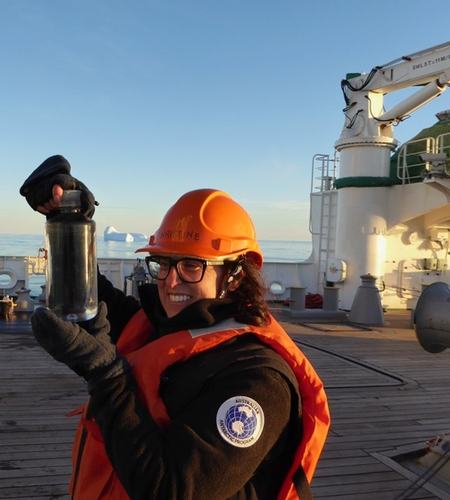
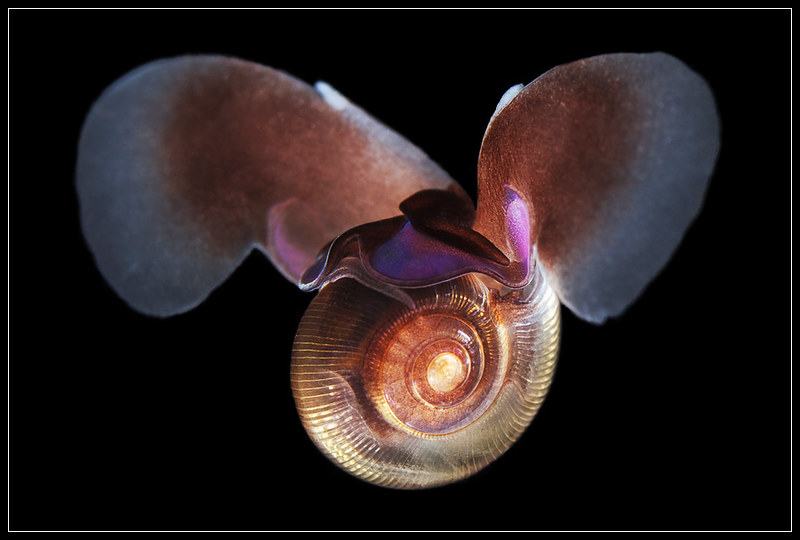
Dr. Christine Weldrick, Echoview’s Technical Writer, contributes to science through research supervision, mentoring and communication. When she’s not managing the Echoview help files and updating tutorials, Christine is also an Adjunct Researcher with the Australian Antarctic Program Partnership and University of Tasmania, where she co-supervises PhD students working on projects ranging from the ecological functioning of Antarctic krill to the ability of Antarctic sea butterflies to produce and repair their shells in various regions of the Southern Ocean.
Christine says supervising PhD students is especially rewarding because it allows her to support researchers as they build confidence and independence. “One of the most rewarding parts is watching students grow in confidence as researchers. A PhD can be an overwhelming journey at times, and I enjoy helping students navigate challenges, think critically about their research, and celebrate those moments when everything starts to click. It's incredibly satisfying to see them develop into independent scientists with their own ideas and perspectives.”
For Christine, this work is also a way of continuing the support she received from mentors throughout her own career. “Science is built on sharing knowledge and building on the work of those who came before us. I've been fortunate to learn from generous mentors throughout my career, and I see co-supervision as an opportunity to give back."
Supporting early-career researchers doesn't just help individual students—it strengthens the future of science by fostering curiosity, critical thinking, and collaboration.
Her current Antarctic research also keeps her connected to the curiosity and discovery that first shaped her scientific career. “I'm currently co-supervising a PhD project investigating Southern Ocean pteropods. They are tiny free-swimming sea snails that are an important part of Antarctic food webs and are considered indicators of environmental change (and the subject of my PhD research as well). I love that Antarctica continues to surprise us. Even after years of working in the region, there are still so many unanswered questions about how its ecosystems function and how they are responding to a changing climate. Being able to contribute to that research while helping mentor the next generation of Antarctic scientists is incredibly rewarding.”
Christine’s research background also shapes the way she approaches her technical writing at Echoview, helping her connect scientific experience with the needs of researchers using the software.
"Although my day-to-day role has shifted from research to technical writing, my scientific background is something I use every day at Echoview. Understanding how researchers collect, analyze and interpret data helps me write documentation that is meaningful and practical for Echoview users. It also helps me communicate complex concepts clearly and work closely with software developers and acoustic scientists to ensure the documentation accurately reflects how the software supports fisheries and marine research. I have also previously been part of studies that have used Echoview to measure the biomass of Antarctic krill swarms. There’s even a scientific link between my Antarctic research and my day job: hydroacoustics can be used to study marine life ranging from tiny shelled pteropods to vast swarms of Antarctic krill, with Echoview helping researchers turn those underwater echoes into information about krill distribution and biomass. I’ve co-authored Antarctic krill studies that have done exactly that.”
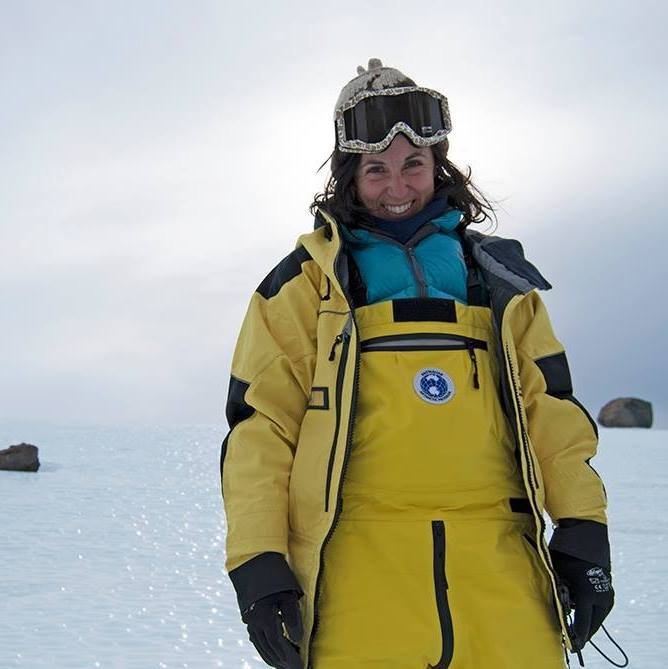
"One thing I really value is being able to continue contributing to research while working in industry. Maintaining my Adjunct Researcher role with the Australian Antarctic Program Partnership and University of Tasmania has allowed me to stay connected with the scientific community through PhD co-supervision, while my work at Echoview has given me a new appreciation for the importance of clear communication and well-designed software in supporting scientific discovery. It's been rewarding to bridge those two worlds."
This National Science Week, we’re pleased to recognize Christine and the many scientists in our team whose work helps make science more accessible, collaborative and connected.